Nativität is a word that evokes warmth, togetherness, and celebration. As cultures around the globe come alive with festivities celebrating this sacred time of year, we are reminded of shared values and traditions that transcend boundaries. From stunning nativity scenes to lively festivals bursting with color and joy, the essence of Nativität brings light to our lives in myriad ways. This blog takes you on a journey through the origins, significance, and vibrant customs associated with Nativität celebrations worldwide. Explore how these rich traditions unite us in diversity while honoring our unique cultural narratives. The beauty of Nativität lies not just in its customs but also in the spirit it fosters among people everywhere!
The Origins and History of Nativität Celebrations
Nativität celebrations trace their roots back to ancient traditions. They honor the birth of Jesus Christ, a pivotal event in Christianity.
The earliest recorded commemoration occurred in the 4th century. Celebrations were held on December 25, coinciding with winter solstice festivals. This strategic timing allowed early Christians to blend their beliefs with existing pagan customs.
Over centuries, Nativität evolved into a multifaceted celebration that encompasses various cultural elements. Different regions developed unique practices reflecting local customs and traditions.
In many European countries, nativity scenes became popular symbols of this season. These intricate displays depict the Nativity story and foster community spirit during festive gatherings.
As cultures intermingled through trade and exploration, new interpretations emerged globally, continuing to enrich Nativität celebrations today.
Religious Significance and Practices
Nativität holds profound religious significance across various faiths. For Christians, it symbolizes the birth of Jesus Christ. The nativity scene serves as a visual representation of this pivotal moment, depicting Mary, Joseph, and the infant Jesus surrounded by angels and shepherds.
In many churches, special services are held during the Advent season. These gatherings often include scripture readings that recount the story of Christ’s birth. Caroling and candlelight vigils add to the ambiance of reflection and joy.
Other cultures incorporate their unique beliefs into Nativität celebrations. For instance, in some indigenous practices, rituals honor ancestral spirits alongside traditional Christian elements. This blending enriches community ties while preserving cultural heritage.
Communities come together for prayer or meditation during this time. It’s an opportunity to reflect on themes like hope and redemption that resonate deeply within spiritual traditions worldwide.
Cultural Traditions and Customs Around the World
Nativität celebrations vary widely across cultures, each adding its own unique flavors. In Latin America, the beloved Posadas reenact Mary and Joseph’s journey to Bethlehem. Families gather for nine nights of festivities filled with music, prayer, and piñatas.
In Italy, La Befana takes center stage during Epiphany. This kindly witch delivers gifts to children on January 5th, embodying the spirit of giving that resonates deeply during Nativität.
Meanwhile, in Ethiopia and Eritrea, Christmas is celebrated on January 7th with a vibrant feast called Genna. Traditional attire is worn as families come together for religious ceremonies followed by communal meals.
The Philippines boasts an impressive display known as “Simbang Gabi,” a series of dawn masses leading up to Christmas Day. Each night features beautiful lanterns illuminating streets and homes alike.
These customs reveal how Nativität transcends borders while honoring local traditions.
Unique Festivals and Rituals
Across the globe, Nativität is celebrated with a vibrant tapestry of festivals and rituals that reflect local cultures. In Mexico, Las Posadas brings communities together as they reenact Mary and Joseph’s search for shelter. This nine-day celebration culminates in joyous festivities filled with music, food, and piñatas.
In Ethiopia, the celebration known as Genna features unique traditions. Families dress in traditional attire and partake in feasts that include injera—a staple flatbread—while children play games reminiscent of ancient times.
Meanwhile, Italy showcases its rich heritage through living nativity scenes called “presepi viventi.” These events beautifully merge art with spirituality, captivating audiences while honoring the essence of Nativität.
Each festival stands out not just for its religious significance but also for how it unites people across generations. They embody hope, joy, and cultural pride while inviting everyone to share in the magic of this special time.
Modern-day Adaptations and Changes
Modern celebrations of Nativität reflect a blend of tradition and contemporary influences. Many communities are embracing inclusive practices that extend beyond religious boundaries. This shift fosters greater understanding among diverse groups.
Technology plays a significant role in these adaptations. Virtual gatherings allow families to connect across distances, sharing experiences through live streams and social media platforms. Online events have become popular as people seek joy during challenging times.
Additionally, many festivals now include eco-friendly elements to promote sustainability. Decorations made from natural materials or initiatives encouraging local artisans showcase the importance of environmental consciousness.
In urban areas, Nativität markets feature global cuisine alongside traditional fare, highlighting cultural fusion with food at its core. These changes create vibrant spaces for dialogue and celebration, uniting different heritages under one joyful occasion while honoring their unique histories.
Embracing Diversity and Unity through Nativität Celebrations
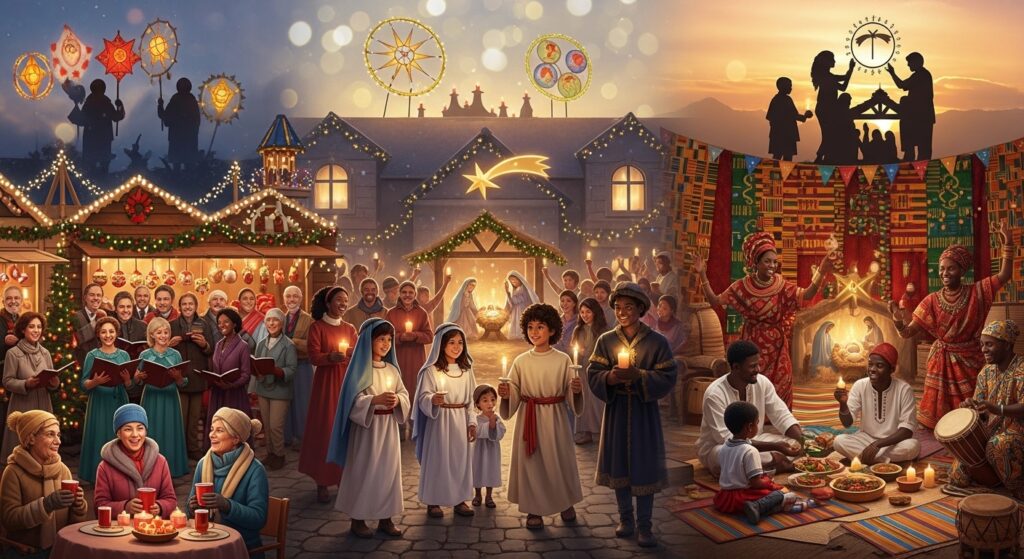
Nativität celebrations serve as a vibrant tapestry of cultures coming together. Each tradition adds its unique thread, creating a rich narrative that transcends geographical boundaries.
These festivities remind us of our shared values and common humanity. Regardless of where we are from, the essence remains: love, hope, and joy during this special time.
Communities engage in interfaith dialogues and collaborative events. They showcase local customs while embracing practices from other cultures. This fusion fosters understanding and respect among diverse groups.
Through music, dance, food, and storytelling, people connect on deeper levels. It’s more than just celebration; it’s about building bridges between different backgrounds.
As families gather around to share their traditions, they create new memories infused with appreciation for each other’s heritage. Nativität becomes a powerful reminder that diversity is not merely accepted but cherished in these moments of unity.
Conclusion
Nativität celebrations span the globe, showcasing a rich tapestry of traditions and customs. From solemn religious observances to vibrant festivals filled with joy and laughter, these events unite communities in their shared values and beliefs. The beauty of Nativität lies not only in its historical roots but also in how it continues to evolve.
As we embrace diverse practices, we foster understanding across cultures. Each unique festival tells a story that contributes to our collective human experience. Whether through intricate nativity scenes or lively parades, the essence of Nativität reminds us of hope, love, and unity.
Through this celebration, we honor our past while looking forward to a world where differences are celebrated rather than just tolerated. By participating in or observing Nativität festivities around the world, one gains insight into various cultures’ values and traditions.
The spirit of Nativität encourages connection among people from all walks of life. It serves as an invitation for everyone to come together—celebrating diversity while recognizing our shared humanity during this special time each year.