
Fueling Smartly: The Best Healthy Snacks for 2026
A common question I hear is how to balance healthy eating with a budget. It might seem like nutritious snacks always come with a premium price tag, but as of July 2026, that doesn’t have to be the case. The best healthy snacks are often the simplest, most whole-food options that provide sustained energy and essential nutrients without costing a fortune.
Many consumers assume that pre-packaged ‘healthy’ snacks are the only way to go, but a closer look reveals that whole, unprocessed ingredients are not only more nutrient-dense but also significantly more budget-friendly when purchased strategically. This guide focuses on making smart choices that satisfy your hunger, boost your well-being, and respect your finances.
Key Takeaways
- Whole foods like nuts, seeds, fruits, and vegetables offer superior nutrient density and value compared to many processed snacks.
- Strategic shopping, such as buying in bulk and preparing snacks at home, significantly reduces costs.
- Prioritizing snacks with protein and fiber is crucial for satiety and sustained energy levels, helping to prevent overeating.
- Understanding basic nutritional components like macronutrients and micronutrients empowers smarter, more cost-effective snack choices.
The Real Value: Nutrient Density Over Price Tag
When we talk about the best healthy snacks, the conversation must begin with nutrient density. This refers to the amount of nutrients food contains per calorie. Highly processed snacks often contain empty calories – a lot of energy but few vitamins, minerals, or fiber. Conversely, whole foods pack a powerful nutritional punch for their caloric cost.
For example, a small bag of commercial ‘fruit snacks’ might cost $3 but offers minimal nutritional benefit and often high sugar. In contrast, a pound of apples, costing roughly $1.50-$2.00, provides fiber, vitamins, and natural sweetness. The apples offer far greater value for money from a health perspective. According to a 2025 market analysis by the Food Industry Research Board, consumers increasingly prioritize perceived health benefits, but often overlook the inherent value in unprocessed staples.
Essential Budget-Friendly Staples
Building a repertoire of cost-effective healthy snacks starts with stocking your pantry with versatile staples. These form the foundation for countless satisfying and nutritious options.
Nuts and Seeds: Powerhouses of Good Fats and Protein
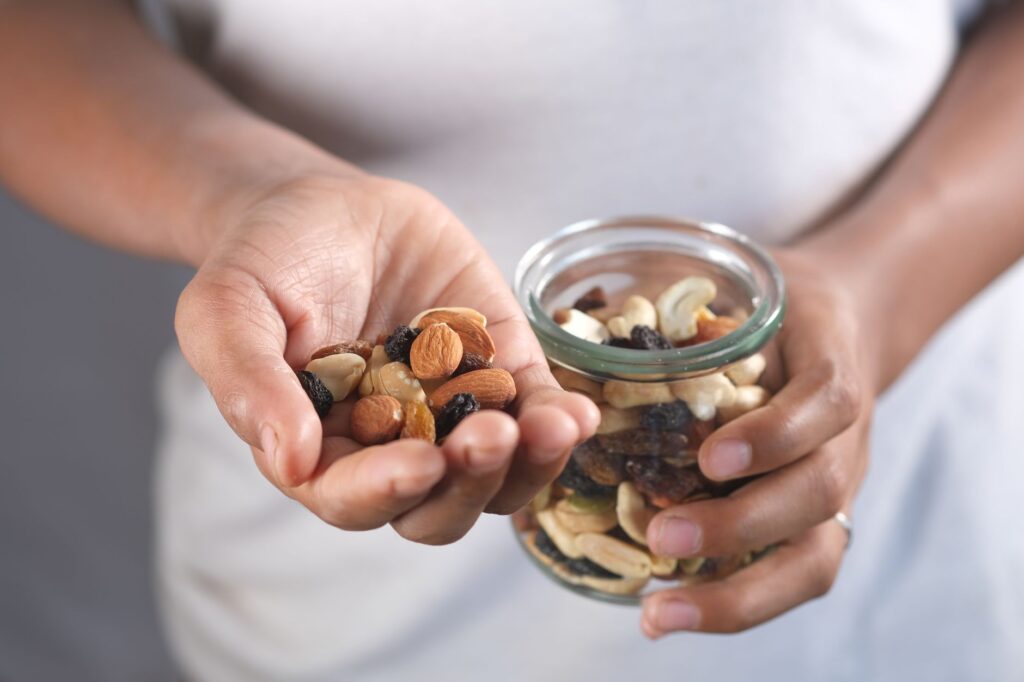
Almonds, walnuts, peanuts, sunflower seeds, and pumpkin seeds are excellent sources of healthy fats, protein, and fiber. Buying them in bulk from stores like Costco or wholesale suppliers dramatically reduces the per-serving cost. A 2-pound bag of almonds, for instance, might cost between $15-$20, yielding dozens of servings. Opt for raw or dry-roasted varieties without added salt or sugar for the best value and health benefits.
Legumes: Versatile and Filling
Chickpeas, lentils, and black beans are incredibly affordable and can be transformed into diverse snacks. Roasted chickpeas seasoned with spices offer a crunchy, savory alternative to chips. Hummus, made from chickpeas, is a fantastic dip for vegetables and can be prepared at home for a fraction of the store-bought price. A 16-ounce can of chickpeas typically costs less than $1.50.
Whole Grains: Sustained Energy Release
Oats, quinoa, and whole-wheat crackers are excellent sources of complex carbohydrates and fiber, providing sustained energy. Rolled oats can be used for overnight oats or homemade granola bars. Whole-wheat crackers, especially when paired with cheese or nut butter, make a balanced snack. Look for plain rolled oats, which are usually very inexpensive, often under $3 for a large canister.
Fruits and Vegetables: Nature’s Candy and Crunch
Seasonal produce offers the best value. Apples, bananas, oranges, carrots, celery, and bell peppers are often budget-friendly staples. They are packed with vitamins, minerals, and fiber. Buying in larger quantities when in season and storing them properly can further reduce costs. A pound of bananas might cost $0.60-$0.80, providing natural energy and potassium.
DIY Snacks: Save Money, Control Ingredients
The biggest savings often come from preparing snacks yourself. This not only cuts costs but also allows you to control the ingredients, avoiding excess sugar, sodium, and unhealthy fats.
Homemade Granola Bars
Store-bought granola bars can range from $1 to $3 each. Making your own at home using oats, nuts, seeds, a binder like honey or maple syrup, and dried fruit is significantly cheaper. A batch of 12–16 bars might cost $5-$8 in ingredients, making each bar around $0.30-$0.50.
Energy Balls
Similar to granola bars but no-bake, energy balls typically use dates, nuts, oats, and seeds. They are quick to make and portable. Ingredients like dates can be bought in bulk, and a large batch can last for weeks. A typical recipe might cost around $10-$15 for a large batch, yielding 20–30 balls.
Roasted Chickpeas
A simple and satisfying snack. Drain and rinse a can of chickpeas, toss with olive oil and your favorite spices (paprika, garlic powder, cumin), and roast at 400°F (200°C) fo20–3030 minutes until crispy. The cost is minimal, primarily for the can of chickpeas and spices, likely under $1 per batch.
Vegetable Sticks with Homemade Hummus
Carrot sticks, celery sticks, and bell pepper strips are cheap, especially when bought in season. Making hummus at home involves blending chickpeas, tahini, lemon juice, garlic, and olive oil. A 15-ounce can of chickpeas costs about $1.50, and the other ingredients are pantry staples, making homemade hummus far more economical than pre-made versions.
Strategic Shopping: Maximizing Your Snack Budget
How and where you shop can make a significant difference in the cost of healthy snacks. As of July 2026, several strategies stand out for budget-conscious consumers.
Buy in Bulk
For non-perishable items like nuts, seeds, dried fruits, oats, and whole grains, buying in bulk is almost always cheaper. Warehouse clubs or online bulk retailers are excellent sources. Ensure you have adequate storage to maintain freshness.
Embrace Seasonal Produce
Fruits and vegetables are generally less expensive when they are in season. For example, berries are often cheaper in the summer months, while root vegetables are more affordable in the fall and winter. Planning your snacks around seasonal availability can lead to substantial savings.
Compare Unit Prices
Always check the unit price (price per ounce or pound) rather than just the overall price. This is especially important when comparing different brands or sizes of the same product. A larger package might seem more expensive upfront but can offer better value per serving.
Look for Sales and Coupons
Keep an eye out for weekly flyers and digital coupons from your local grocery stores. Many stores offer discounts on staple healthy items, such as nuts or yogurt, during specific promotions.
Consider Store Brands
Generic or store brands often provide comparable quality to name brands at a lower price point, especially for items like canned beans, oats, and basic yogurts.
The Power of Portion Control
Even healthy, budget-friendly snacks can become expensive if consumed in excessive quantities. Proper portion control is key to both managing your budget and maintaining a healthy diet. This is where planning and mindful eating come into play.
Pre-Portion Snacks
Divide bulk items like nuts or trail mix into individual serving bags or containers. This prevents mindless overeating and ensures you’re consuming appropriate amounts. A standard serving of nuts is about a quarter cup, roughly 1 ounce, providing around 170 calories.
Mindful Eating
When you eat your snack, do so away from distractions like screens. Focus on the taste, texture, and smell. This practice can increase satisfaction with smaller portions, making your snacks last longer and feel more fulfilling.
Read Nutrition Labels
Understanding serving sizes on nutrition labels is crucial. A package might contain multiple servings, and consuming the entire package can significantly increase calorie, fat, and sugar intake, as well as cost.
Tailoring Snacks to Your Needs (and Budget)
The ‘best’ healthy snack is also one that meets your specific dietary needs and preferences, all while remaining affordable.
High-Protein Options
For sustained energy and satiety, protein is essential. Greek yogurt (plain, buy large tubs), cottage cheese, hard-boiled eggs, damage, and nut butters on whole-wheat toast are excellent, cost-effective choices. A dozen eggs typically costs $3-$5 and provides 12 high-protein snacks.
Fiber-Rich Choices
Fiber aids digestion and helps you feel full. Fruits (especially berries and apples), vegetables (carrots, broccoli), whole grains (oats, whole-wheat crackers), and legumes are your best friends. Buying produce in season and bulk grains/legumes are key to keeping these affordable.
Low-Sugar Snacks
Many commercial snacks are loaded with sugar. Opt for whole fruits for sweetness, or use natural sweeteners sparingly in homemade recipes. Plain Greek yogurt with a few berries is a much better choice than sweetened, flavored yogurt. A cup of plain Greek yogurt costs roughly $0.50-$0.75, whereas a small flavored cup can be $1.00-$1.50.
Common Mistakes to Avoid
Even when trying to eat healthy on a budget, common pitfalls can derail your efforts.
Relying Solely on ‘Diet’ or ‘Low-Fat’ Products
These products often compensate for reduced fat or calories by adding sugar, sodium, or artificial ingredients, increasing cost and decreasing nutritional value. Always check the ingredient list and nutrient panel. For example, a low-fat cookie might be pricier than a simple apple.
Buying Individually Packaged Snacks
While convenient, these single-serving packages are almost always more expensive per ounce than buying in bulk and dividing them yourself. The cost difference can be substantial over time. A small multipack of crackers might cost $5, whereas a large box providing the same amount of crackers could be $3.
Ignoring Meal Prep
Skipping snack prep leads to impulse buys of less healthy, more expensive options when hunger strikes. Dedicate a small amount of time each week to prepare a few snack batches. This foresight saves both money and health.
Making Smart Choices for 2026 and Beyond
Selecting the best healthy snacks in 2026 is about informed decisions, not just impulse purchases. By focusing on nutrient-dense whole foods, adopting smart shopping habits, and embracing DIY preparation, you can nourish your body effectively without straining your budget. Prioritizing these cost-effective strategies ensures that healthy eating remains accessible and sustainable.
Last reviewed: July 2026. Information current as of publication; pricing and product details may change.