routine, ensuring you stay energized and nourished throughout 2026 and beyond.
Last updated: April 29, 2026
Why Healthy Snacks Matter
Snacks serve a vital purpose in our daily nutritional intake. They can help bridge the gap between meals, prevent overeating at the next meal, and provide a much-needed energy boost. According to the Academy of Nutrition and Dietetics (2023), well-chosen snacks can contribute significantly to your daily intake of vitamins, minerals, and fiber. They are particularly important for individuals with higher energy needs, such as athletes or those managing chronic health conditions. For instance, a mid-morning snack of Greek yogurt with berries can provide protein and antioxidants, helping to sustain focus and energy until lunchtime.
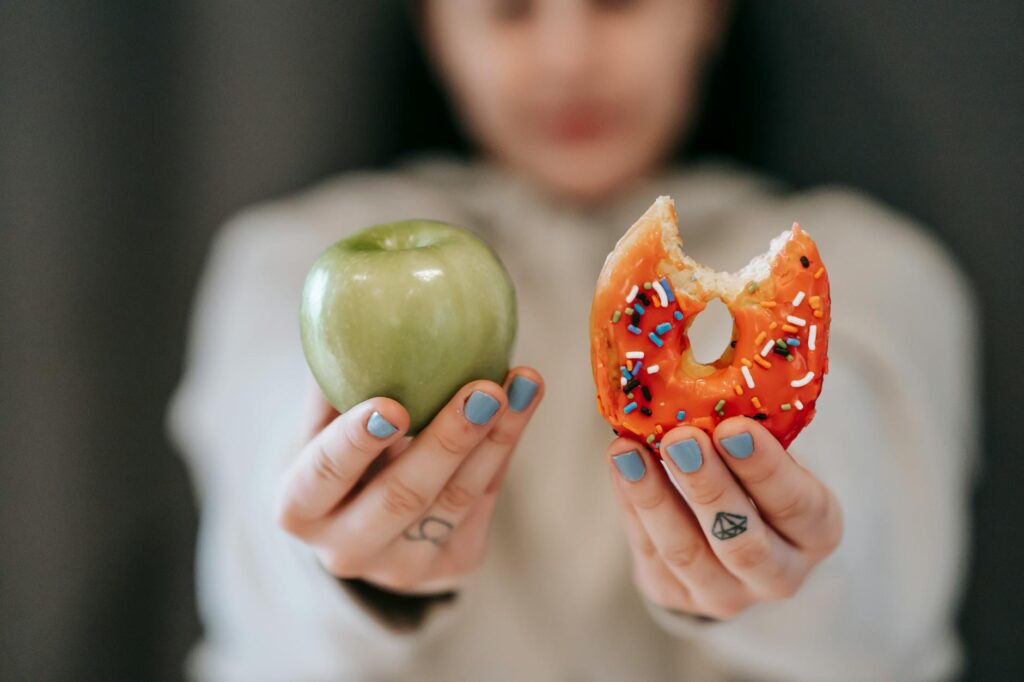
Conversely, relying on processed snacks high in sugar, unhealthy fats, and sodium can lead to energy spikes followed by crashes, increased cravings, and a higher risk of weight gain and chronic diseases over time. The challenge in 2026 is the ubiquity of these less nutritious options, making mindful selection paramount.
Characteristics of Nutrient-Dense Snacks
The most effective healthy snacks are those that offer a good balance of macronutrients and micronutrients. This means looking for options that provide protein, healthy fats, and complex carbohydrates, along with essential vitamins and minerals. Protein and healthy fats promote satiety, helping you feel fuller for longer, while complex carbohydrates offer sustained energy release.
Consider the combination of elements. For example, apple slices paired with almond butter offer fiber from the apple and protein and healthy fats from the almond butter. This combination is far more satisfying and nutritionally beneficial than an apple alone or a handful of potato chips. As of April 2026, the focus in nutritional science continues to emphasize whole foods, underscoring the importance of choosing snacks that are as close to their natural state as possible. This approach minimizes exposure to added sugars, artificial ingredients, and excessive sodium.
Practical Strategies for Smart Snacking
Implementing healthy snacking habits requires more than just knowing what to eat; it involves strategic planning and mindful consumption. Here are actionable strategies:
Plan Ahead
The most effective way to ensure you’re making healthy choices is to plan your snacks in advance. This is especially critical during busy work weeks or when traveling. Dedicate a few minutes each week to decide what snacks you’ll have and prepare them. This might involve portioning out nuts into small containers, washing and cutting fruits and vegetables, or making a batch of energy balls.
For example, preparing a week’s worth of hard-boiled eggs or trail mix can save you time and prevent last-minute decisions that often lead to less healthy choices. Websites like Food Network offer numerous ideas for make-ahead snacks.
Portion Control is Key
Even the healthiest foods can contribute to weight gain if consumed in excessive quantities. Being mindful of portion sizes is crucial. Instead of eating directly from a large bag of nuts or seeds, portion them into smaller bags or containers. For fruits and vegetables, aim for a standard serving size, such as one medium apple or one cup of carrot sticks.
A common pitfall is mindlessly snacking while distracted. To combat this, try to eat snacks at a designated time and place, free from screens or other distractions. This practice, often referred to as mindful eating, allows you to better recognize your body’s hunger and fullness cues.
Combine Protein and Fiber
Snacks that combine protein and fiber are excellent for promoting satiety and stabilizing blood sugar levels. This prevents the sharp energy dips that can occur after consuming carbohydrate-heavy snacks. Good combinations include:
- Greek yogurt with berries and a sprinkle of chia seeds
- An apple with two tablespoons of peanut butter
- A handful of almonds with a small orange
- Whole-grain crackers with hummus
- Cottage cheese with sliced peaches
These pairings ensure a sustained release of energy, keeping you feeling full and satisfied for longer periods, which is essential for maintaining focus and productivity throughout the day.
Hydrate Wisely
Sometimes, feelings of hunger can actually be a sign of dehydration. Before reaching for a snack, try drinking a glass of water. If you’re still hungry after drinking water, then choose a healthy snack. Herbal teas can also be a good option for a low-calorie, hydrating beverage.
The Centers for Disease Control and Prevention (CDC) emphasizes the importance of adequate hydration for overall health. Aiming for about 8 cups (64 ounces) of fluid per day is a general guideline, but individual needs vary.
Examples of Excellent Healthy Snacks
To illustrate, let’s look at some specific examples of nutrient-dense snacks that are readily available or easy to prepare:
| Snack Idea | Key Nutrients | Why It’s Good |
|---|---|---|
| Hard-boiled eggs | Protein, Vitamin D | Excellent source of high-quality protein, highly satiating. |
| Mixed nuts (almonds, walnuts, cashews) | Healthy fats, protein, fiber, magnesium | Provide sustained energy and heart-healthy benefits. Portion control is key due to calorie density. |
| Greek yogurt with berries | Protein, probiotics, vitamins, antioxidants | Supports gut health and provides a satisfying protein boost. |
| Vegetable sticks (carrots, celery, bell peppers) with hummus | Fiber, vitamins, plant-based protein | Crunchy, refreshing, and provides fiber and protein for fullness. |
| Damage (steamed or roasted) | Protein, fiber, iron | A complete plant-based protein source, great for a savory snack. |
| Fruit (apples, bananas, oranges, berries) | Vitamins, fiber, natural sugars | Provide quick energy and essential nutrients. Pair with protein/fat for longer satiety. |
These options are versatile and can be adapted to individual preferences and dietary needs. For instance, individuals seeking low-carb options might opt for vegetables with hummus or a handful of nuts, while those needing a quick energy source before a workout might choose a banana.
Addressing Common Snacking Challenges
Many people struggle with healthy snacking due to busy schedules, stress, or emotional eating. Understanding these challenges can help in finding effective solutions.
Emotional Snacking
It’s common to reach for snacks when feeling stressed, bored, or sad. This type of eating, often called emotional eating, doesn’t address the underlying emotions and can lead to consuming unhealthy foods. Identifying emotional triggers is the first step. If you notice you tend to snack when stressed, try alternative stress-relief methods like deep breathing exercises, a short walk, or listening to music.
The key is to differentiate between physical hunger and emotional cravings. Physical hunger typically builds gradually, can be satisfied by a variety of foods, and leaves you feeling satisfied. Emotional hunger, on the other hand, often comes on suddenly, craves specific comfort foods, and may be followed by guilt.
Snacking on the Go
For those with demanding schedules, carrying portable, healthy snacks is essential. Think about items that don’t require refrigeration or extensive preparation. Examples include:
- Individual packs of nuts or seeds
- Dried fruit (in moderation)
- Whole-grain granola bars (check labels for low sugar content)
- Fruit like apples or bananas
- Protein bars (choose those with minimal added sugar and recognizable ingredients)
Having these options readily available in your bag, car, or desk drawer can prevent you from resorting to vending machine snacks or fast food. Brands like KIND bars or Rebars often provide good nutritional profiles, though it’s always wise to check specific product labels.
The Role of Mindful Eating
Mindful eating involves paying full attention to the experience of eating and drinking, as well as to the sensations of hunger and fullness. Applying mindfulness to snacking can transform it from a mindless habit into a nourishing experience.
When you’re about to snack, take a moment to assess your hunger. Are you physically hungry, or are you eating out of habit or emotion? If you decide to snack, sit down, engage your senses, and savor each bite. Notice the textures, flavors, and smells. This practice not only enhances enjoyment but also helps you recognize when you’ve had enough, preventing overconsumption.
Practicing mindful snacking helps you build a healthier relationship with food, fostering better awareness of your body’s needs.
Frequently Asked Questions
What are some quick and easy healthy snacks?
Quick and easy healthy snacks include fruit like apples or bananas, a handful of nuts, Greek yogurt with berries, vegetable sticks with hummus, or a hard-boiled egg. These options require minimal preparation and offer good nutritional value.
How can I avoid unhealthy snacking at work?
To avoid unhealthy snacking at work, pack your own healthy snacks like trail mix, fruit, or yogurt. Keep these accessible and visible. Avoid keeping tempting, unhealthy snacks in your workspace and stay hydrated throughout the day.
Are energy bars considered healthy snacks?
Some energy bars can be healthy snacks, but it’s crucial to read labels carefully. Look for bars with whole-food ingredients, lower sugar content (under 10-12g per bar), and a good balance of protein and fiber. Many popular brands contain excessive sugar and artificial additives.
What’s the best time to eat a healthy snack?
The best time for a healthy snack is typically when you feel genuinely hungry between meals, usually 2–3 hours after your last meal. Snacks can help manage hunger, maintain energy levels, and prevent overeating at your next meal.
Can healthy snacks help with weight management?
Yes, healthy snacks can significantly aid in weight management by keeping you full and satisfied between meals, reducing the likelihood of overeating. Nutrient-dense snacks also support metabolism and provide essential nutrients without excessive calories.
Conclusion
Integrating healthy snacks into your routine in 2026 is a powerful strategy for enhancing your overall health, energy levels, and nutritional intake. By prioritizing whole foods, practicing portion control, planning ahead, and being mindful of your eating habits, you can transform snacking from a potential pitfall into a significant advantage for your well-being. Remember that consistency is key; small, smart choices made consistently can lead to profound, long-term health benefits. Consult with a registered dietitian or healthcare provider for personalized advice tailored to your specific health needs and goals.
Editorial Note: This article was researched and written by the BlufX editorial team. We fact-check our content and update it regularly. For questions or corrections, contact us.
Related read: Victoria Derbyshire: Your Guide to Navigating Cancer