
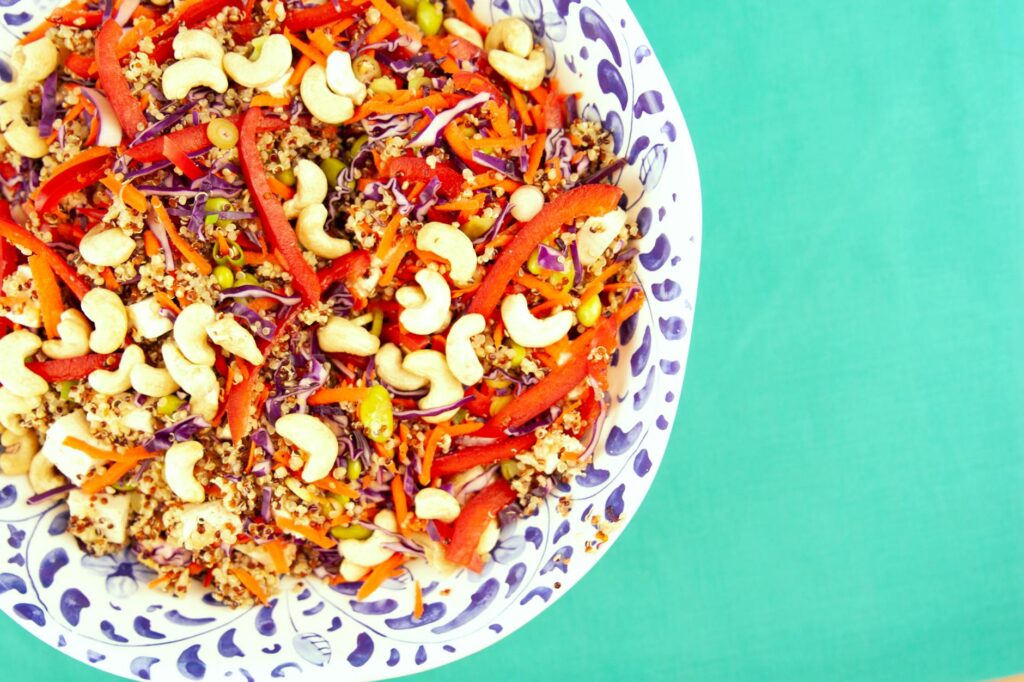
This guide covers everything about healthy dinner ideas. The evening meal often feels like the biggest hurdle in maintaining a healthy diet, especially with the demands of modern life. As of April 2026, the focus on convenient yet nutritious options is stronger than ever. Juggling work, family, and personal well-being means that by the time dinner rolls around, the temptation for quick, less-than-ideal choices can be immense. But what if preparing a healthy, satisfying dinner could be both simple and enjoyable? This article explores practical and delicious healthy dinner ideas designed to fit into your busy schedule, ensuring you fuel your body with the nutrients it needs without spending hours in the kitchen.
Last updated: April 29, 2026
- Prioritize whole, unprocessed ingredients for maximum nutrient density in your healthy dinner ideas.
- Incorporate lean proteins, healthy fats, and complex carbohydrates to create balanced and satisfying meals.
- Meal prepping components or entire meals can reduce weeknight cooking stress.
- Flavor is key: use herbs, spices, and healthy sauces to make nutritious dinners exciting.
The challenge of consistent healthy eating often culminates at the dinner table. Finding meals that are both nourishing and appealing is Key for long-term adherence. We ll provide actionable strategies and versatile recipes that make healthy dinner ideas a realistic part of your daily routine.
What are the core principles of healthy dinners?
At its heart, a healthy dinner’s about balance and nutrient density. This means constructing meals that provide essential macronutrients (protein, carbohydrates, and fats) and micronutrients (vitamins and minerals) without excessive calories, unhealthy fats, or added sugars. According to the World Health Organization (WHO), a healthy diet includes fruits, vegetables, legumes, nuts, and whole grains, with a limited intake of saturated fats, trans fats, added sugars, and sodium. For dinner, this translates to focusing on lean protein sources, plenty of non-starchy vegetables, and a moderate portion of complex carbohydrates.
Think of your dinner plate as a canvas. Aim to fill at least half of it with colorful vegetables. These provide fiber, vitamins, and antioxidants. The remaining half should be divided between a lean protein source (like fish, chicken breast, beans, or tofu) and a complex carbohydrate (such as quinoa, brown rice, sweet potatoes, or whole-wheat pasta). Including a source of healthy fats, like avocado, olive oil, or nuts, further enhances satiety and nutrient absorption.
Effortless Healthy Dinner Ideas for Busy Weeknights
Weeknight dinners require speed and simplicity. The following ideas are designed for minimal prep and cooking time, proving that healthy eating can be convenient.
Sheet Pan Dinners: Minimal Cleanup, Maximum Flavor
Sheet pan dinners are a lifesaver for busy evenings. You chop, toss ingredients with seasonings, spread them on a baking sheet, and let the oven do the work. This method minimizes dishes and allows for incredible flavor development as ingredients roast together.
Example: Lemon Herb Chicken and Asparagus Sheet Pan Dinner
- Ingredients: Boneless, skinless chicken breasts or thighs, broccoli florets, bell pepper strips, red onion wedges, olive oil, lemon juice, dried herbs (oregano, thyme), salt, pepper.
- Instructions: Toss chicken and vegetables with olive oil, lemon juice, herbs, salt, and pepper. Spread in a single layer on a baking sheet. Roast at 400 F (200 C) for 20–25 minutes, or until chicken is cooked through and vegetables are tender-crisp.
This approach is highly adaptable. Swap chicken for shrimp or salmon, and vegetables for Brussels sprouts, sweet potatoes, or zucchini. The key is to cut denser vegetables smaller so they cook at the same rate as the protein.
Stir-Fries: Quick, Versatile, and Packed with Veggies
Stir-fries are fast, relying on high heat and quick cooking. They’re a fantastic vehicle for incorporating a wide array of vegetables and lean proteins.
Example: Tofu and Broccoli Stir-fry with Brown Rice
- Ingredients: Firm or extra-firm tofu, broccoli florets, snap peas, carrots (julienne), garlic, ginger, soy sauce (or tamari for gluten-free), sesame oil, cornstarch (for thickening).
- Instructions: Press and cube tofu, then toss with a little cornstarch. Stir-fry tofu until golden. Add vegetables and stir-fry until crisp-tender. Whisk together soy sauce, sesame oil, minced garlic, and ginger. Pour over the ingredients. Thicken with a cornstarch slurry if desired. Serve over brown rice.
According to user feedback and culinary trends observed as of April 2026, the popularity of plant-based proteins like tofu and tempeh continues to rise, offering excellent, quick-cooking alternatives to traditional meats in stir-fries.
Hearty Salads with Protein: More Than Just Greens
A well-constructed salad can be a complete and satisfying dinner. The trick is to load it with protein, healthy fats, and complex carbohydrates to ensure it’s filling.
- Ingredients: Grilled salmon fillet, mixed greens, cooked quinoa, cherry tomatoes, cucumber slices, red onion, avocado, a light vinaigrette (olive oil, lemon juice, Dijon mustard).
- Instructions: Arrange mixed greens on a plate. Top with flaked grilled salmon, quinoa, vegetables, and avocado. Drizzle with vinaigrette.
This salad provides omega-3 fatty acids from the salmon, fiber and protein from the quinoa, and healthy fats from the avocado, making it a nutritionally strong meal.
Balancing Nutrients: The Key to Lasting Health
Achieving a healthy dinner isn’t just about avoiding unhealthy ingredients. It’s about actively including beneficial ones. This involves role of each macronutrient.
Lean Protein Power
Protein is essential for muscle repair, satiety, and hormone production. Good dinner sources include chicken breast, turkey, fish (salmon, cod, tuna), lean beef, eggs, tofu, tempeh, lentils, and beans. According to research published by the Dietary Guidelines for Americans, protein is a Key component of a balanced diet across all age groups.
Smart Carbohydrates
Complex carbohydrates provide sustained energy and fiber — which aids digestion and promotes fullness. Opt for whole grains like quinoa, brown rice, oats, barley, and whole-wheat pasta, as well as starchy vegetables like sweet potatoes and butternut squash. These are far more beneficial than refined carbohydrates (white bread, white rice, sugary cereals).
Healthy Fats for Fullness and Function
Fats are vital for hormone production, nutrient absorption, and brain health. Focus on unsaturated fats found in olive oil, avocados, nuts, seeds, and fatty fish. These fats contribute to a feeling of satisfaction, helping to prevent overeating.
 ▶
▶
week of HEALTHY DINNER IDEAS 🫶 #easyrecipes #healthyrecipes #healthydinnerideas
Strategies for Effortless Meal Prep
Meal prepping is arguably one of the most effective strategies for ensuring you have healthy dinner options readily available. It requires an upfront investment of time but pays dividends throughout the week.
Component Prep
Instead of cooking full meals, prepare individual components. This could involve washing and chopping vegetables, cooking a batch of grains (like quinoa or brown rice), grilling or baking several chicken breasts, or hard-boiling eggs. Having these staples ready makes assembling meals much faster.
Batch Cooking
Cook larger portions of versatile dishes like chili, lentil soup, or roasted vegetables. These can be portioned into containers and reheated throughout the week. Consider investing in good quality glass food storage containers. They’re durable, microwave-safe, and don’t retain odors like plastic can.
Freezer Meals
Many healthy meals freeze exceptionally well. Think casseroles, stews, curries, or even pre-portioned smoothie packs. Here’s a great strategy for those weeks when you know you’ll have even less time for cooking.
For me, the major shift was dedicating Sunday afternoons to chopping vegetables and cooking a large batch of quinoa. Come Tuesday evening, I can whip up a nutritious bowl in under 15 minutes. It’s about setting yourself up for success. — A Bluff Reader
Making Healthy Dinners Flavorful
Healthy food doesn’t have to be bland. Flavor’s Key for enjoyment and long-term adherence. Experiment with herbs, spices, and healthy sauces.
- Herbs: Fresh or dried herbs like basil, cilantro, parsley, rosemary, and thyme add vibrant flavor without calories.
- Spices: Cumin, paprika, chili powder, turmeric, garlic powder, and onion powder can transform simple dishes.
- Acids: Lemon or lime juice, and vinegars (balsamic, red wine, apple cider) brighten flavors.
- Healthy Sauces: Homemade vinaigrettes, yogurt-based sauces, or low-sodium marinara can add moisture and taste. Be mindful of store-bought sauces, as they can be high in sodium and sugar.
Consider using techniques like grilling, roasting, or saut ing to enhance natural flavors, often requiring less added fat and salt.
Frequently Asked Questions
What’s the quickest healthy dinner idea?
Quickest healthy dinners often involve minimal cooking, such as a large, protein-packed salad with pre-cooked chicken or canned salmon, or a quick stir-fry using pre-cut vegetables and tofu or shrimp.
How can I make my healthy dinners more exciting?
Introduce variety by trying new cuisines, experimenting with different spice blends and herbs, and focusing on colorful, seasonal produce. Sometimes, a simple change in cooking method, like grilling instead of baking, can make a difference.
Is it okay to eat carbs for dinner?
Absolutely. Complex carbohydrates from whole grains, vegetables, and legumes are important for energy and fiber. The key is portion control and choosing the right types of carbohydrates.
What are some good sources of lean protein for dinner?
Excellent lean protein sources include chicken breast, turkey breast, fish (like salmon, cod, tilapia), tofu, tempeh, lentils, beans, and Greek yogurt.
How much protein do I need at dinner?
General recommendations suggest aiming for 20–30 grams of protein at dinner to promote satiety and muscle maintenance, but individual needs vary based on activity level and overall health goals.
Conclusion: Empowering Your Evening Meals
As of April 2026, the pursuit of healthy eating remains a really important concern for many. By focusing on whole foods, balanced macronutrients, and smart preparation strategies, you can transform your dinner routine from a daily challenge into a source of nourishment and enjoyment. Don’t be afraid to experiment with flavors and ingredients. Start small, perhaps by incorporating one new healthy dinner idea per week, and build from there. Your body will thank you for the consistent, delicious effort.
For personalized dietary advice tailored to your specific needs, it’s always recommended to consult with a registered dietitian or healthcare professional.
Editorial Note: This article was researched and written by the BlufX editorial team. We fact-check our content and update it regularly. For questions or corrections, contact us. Knowing how to address healthy dinner ideas early makes the rest of your plan easier to keep on track.
Related read: Lyposingrass: Meaning, Potential Uses, and Growing Online Curiosity