
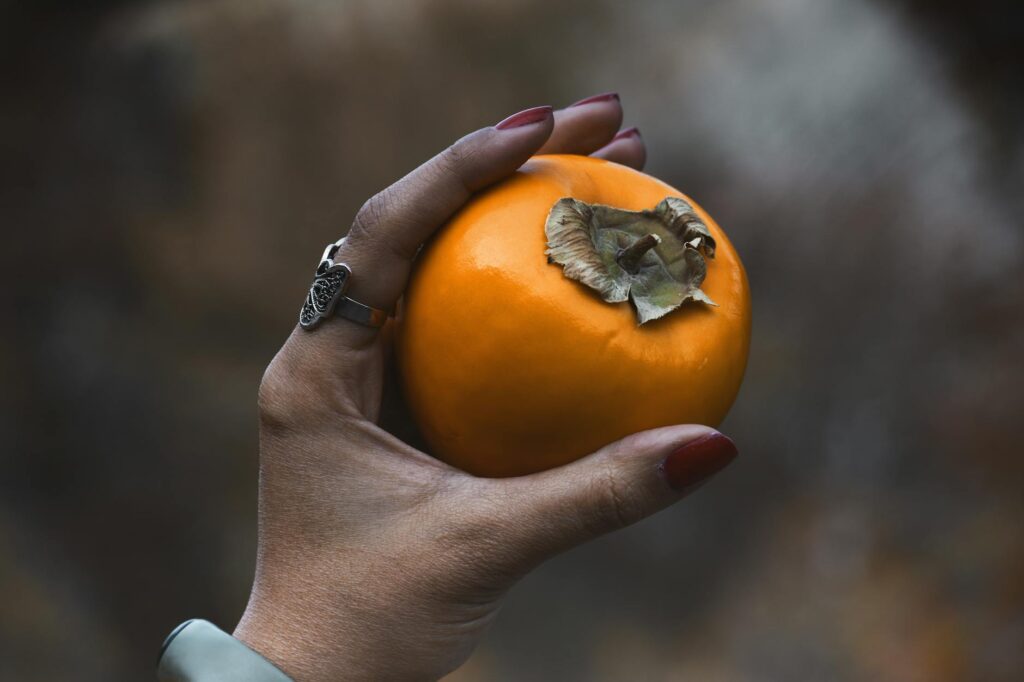
Caquis Persimon: Sweet Science
Imagine biting into a fruit that’s as sweet as honey but with a texture that’s smooth and almost custard-like. That’s the magic of the caqui persimon. Originating from East Asia, the persimmon fruit family boasts thousands of varieties, but the caqui persimon, especially the Rojo Brillante variety, has captivated palates worldwide. In Spain alone, the 2022-2023 season saw over 450,000 tons of persimmons harvested, with a significant portion being the prized caqui persimon type. This isn’t just any fruit. It’s a powerhouse of flavor and nutrition, and understanding its nuances can elevate your fruit game.
Last updated: April 22, 2026
What Exactly is a Caqui Persimon?
The term ‘caqui persimon’ often refers to specific non-astringent varieties of the Diospyros kaki species, most notably the Rojo Brillante. Unlike their astringent cousins, these persimmons can be eaten firm, straight off the tree (after proper ripening, of course!). Their smooth, glossy orange skin encases a flesh that’s firm yet yielding, with a honey-like sweetness and subtle spicy undertones. Think of it as nature’s candy, but with a nutritional punch.
Did you know? Non-astringent persimmons, like the caqui persimon, are generally sweeter and less prone to that puckering sensation that can occur with astringent varieties if eaten too soon. The sugar content in ripe caqui persimon can reach up to 18%, making them one of the sweetest fruits available during their season.
The Sweetness Spectrum: Varieties and Taste Profiles
While ‘caqui persimon’ often points to the Rojo Brillante, it’s important to remember that there are other non-astringent types. The Fuyu persimmon, for example, is another popular variety, shaped more like a flattened tomato and enjoyed firm. The key difference lies in the tannins. Astringent persimmons have high levels of soluble tannins — which cause that dry, chalky feeling in your mouth. Non-astringent varieties, like the caqui persimon, have tannins that bind differently, making them palatable even when crisp.
The Rojo Brillante, often marketed as ‘Persimon®’ in some regions, is characterized by its vibrant orange-red color and a taste that balances intense sweetness with a delicate, refreshing finish. Some describe its flavor notes as reminiscent of apricot and honey, with a hint of cinnamon. It’s a taste that truly stands out, especially when compared to other common fruits.
Nutritional Powerhouse: Beyond the Sweetness
Don’t let the sweetness fool you. Caquis persimon are packed with nutrients. A medium-sized persimmon (about 168 grams) is a good source of dietary fiber, vitamin A, vitamin C, and manganese. According to the USDA FoodData Central, a single persimmon can provide over half of your daily recommended vitamin A intake and a significant portion of your vitamin C needs. Vitamin A is Key for vision health and immune function, while vitamin C is a powerful antioxidant that supports skin health and immunity. Also, they contain beneficial plant compounds like flavonoids and carotenoids.
The fiber content is also noteworthy. A serving of caqui persimon can offer around 6 grams of fiber — which aids digestion, helps regulate blood sugar levels, and contributes to a feeling of fullness. This makes them a satisfying snack that doesn’t come with the guilt of high-calorie treats.
Harvesting and Ripening: Timing is Everything
The harvesting season for caquis persimon typically runs from late October through December in major growing regions like Spain. This timing is Key because the fruit needs to develop its full sweetness and lose any residual astringency before being picked. While they’re non-astringent when firm, they continue to ripen after harvest, becoming even sweeter and softer.
Practical Tip: Look for caquis persimon with smooth, unblemished skin and a vibrant color. If you buy them slightly firm, you can ripen them further at room temperature. Avoid any with soft spots or bruises. They should yield gently to pressure, much like a ripe peach or avocado. If you’re unsure, check for the Persimon® seal — which guarantees they’re ripe and ready to eat.
How to Eat Caquis Persimon: A Culinary Adventure
The beauty of the caqui persimon lies in its versatility. Because it’s non-astringent, you can enjoy it in numerous ways:
- Fresh and Whole: Simply wash, remove the leafy calyx (the green top), and bite into it like an apple. Here’s the easiest and most direct way to experience its pure flavor.
- Sliced in Salads: Its firm texture and sweet taste make it a fantastic addition to green salads, offering a delightful contrast to peppery greens and salty cheeses. Try it with arugula, goat cheese, and a balsamic glaze.
- In Smoothies: Blend it into your morning smoothie for a natural sweetness boost and added fiber. It pairs wonderfully with berries, spinach, and a touch of ginger.
- Baked Goods: The soft, sweet flesh can be pureed and used in cakes, muffins, and breads, similar to how you might use bananas or applesauce. Its natural sugars can sometimes reduce the need for added sweeteners.
- With Cheese and Cured Meats: Serve slices alongside a cheese board. The sweetness complements aged cheeses like cheddar or gouda, and cured meats like prosciutto.
Quick Recipe Idea: Toast a slice of good sourdough bread. Spread with a thin layer of ricotta cheese, top with thin slices of caqui persimon, a drizzle of honey, and a sprinkle of chopped pistachios. It’s a simple yet elegant appetizer or snack.
The Persimon® Brand: Quality Assurance
When you see the Persimon® brand on a fruit, it signifies a specific type of caqui persimon (Rojo Brillante) that meets stringent quality standards set by the regulatory council, DO Kaki. According to DO Kaki, this brand ensures that the fruit has been grown in designated areas of Valencia, Spain, harvested at optimal ripeness, and meets specific criteria for size, color, and sugar content. This commitment to quality, dating back to the establishment of the DO Kaki in 1998, guarantees consumers a delicious and consistent experience. If you’re seeking that signature sweet, non-astringent taste, looking for the Persimon® seal is a reliable way to go.
Common Misconceptions and How to Avoid Them
One of the biggest misconceptions is confusing astringent and non-astringent persimmons. If a persimmon feels very firm but makes your mouth feel dry and chalky, it’s likely an astringent variety (like Hachiya) that needs to be fully softened to be edible. The caqui persimon, however, is designed to be enjoyed firm. Another common issue is mistaking its appearance for a tomato. While visually similar, the taste and texture are entirely different.
When buying persimmons, if they aren’t clearly labeled as non-astringent or carrying a brand like Persimon®, ask the vendor. If they feel rock-hard and you can’t confirm the variety, it might be best to wait until they soften or opt for a known non-astringent type.
Frequently Asked Questions
Are caquis persimon good for you?
Yes, caquis persimon are quite nutritious. They’re a good source of dietary fiber, vitamin A, and vitamin C, contributing to digestive health, vision, and immune function. Their natural sweetness also makes them a healthier alternative to processed snacks.
How do I know if my caqui persimon is ripe?
A ripe caqui persimon will have smooth, unblemished skin with a vibrant orange-red color. It should yield slightly to gentle pressure, feeling firm but not hard. Avoid fruits with soft spots or bruises.
Can I eat the skin of a caqui persimon?
Absolutely! The skin of the caqui persimon is thin, edible, and contains valuable nutrients and fiber. It’s recommended to wash the fruit thoroughly and consume it whole for maximum benefit.
What’s the difference between caqui persimon and Sharon fruit?
Sharon fruit is a specific variety of non-astringent persimmon, often the Triumph variety, grown in Israel. It’s very similar to the Spanish caqui persimon (Rojo Brillante) in terms of its non-astringent nature, firm texture, and sweet taste.
How should I store caquis persimon?
Store unripe or firm caquis persimon at room temperature until they reach desired ripeness. Once ripe, they can be stored in the refrigerator for up to a week to slow down further ripening and maintain their texture.
Embrace the Sweetness of Caqui Persimon
The caqui persimon is more than just a fruit. It’s a delightful experience, a nutritional asset, and a versatile culinary ingredient. Its unique balance of sweetness and texture, coupled with its impressive nutrient profile, makes it a must-try, especially during its peak season from autumn through winter. Whether you enjoy it fresh, sliced in a salad, or baked into a treat, the caqui persimon offers a taste of pure, natural sweetness. So next time you’re at the market, don’t hesitate to pick up a few of these vibrant orange gems and discover their delicious potential for yourself.
Editorial Note: This article was researched and written by the BlufX editorial team. We fact-check our content and update it regularly. For questions or corrections, contact us.
Related read: the Legacy of Claude Edward Elkins Jr.: A Life
Related read: Calamariere: Your Guide to Delicious Fried Squid