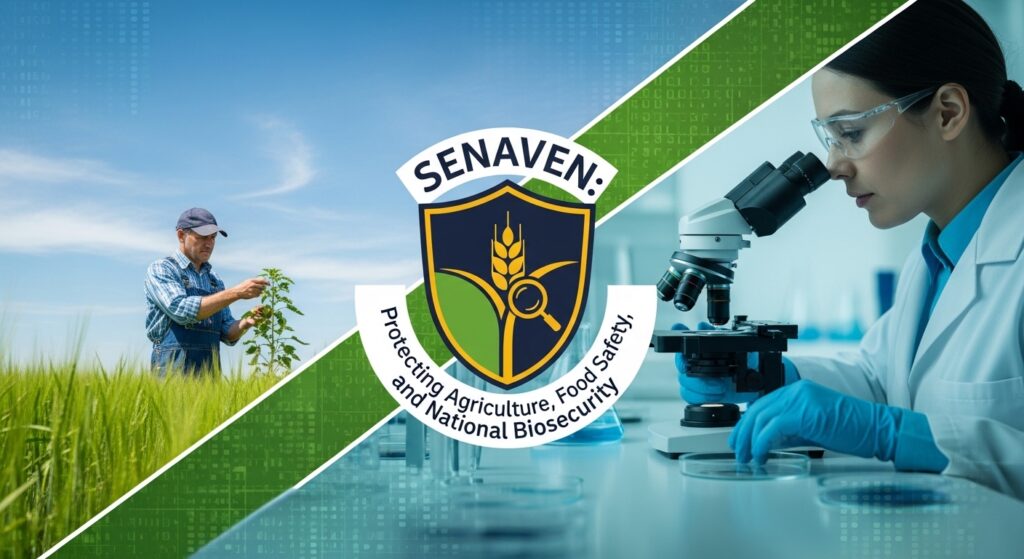
SENAVEN, commonly known as the National Service for Agricultural and Livestock Health, is a governmental authority responsible for safeguarding plant and animal health within a country. Its mission centers on protecting agricultural production, ensuring food safety, and preventing the introduction and spread of pests and diseases that could threaten the economy and public well-being.
Agriculture remains one of the most important sectors for national development, food security, and employment. Without proper regulation and oversight, crops and livestock are vulnerable to outbreaks that can cause severe economic losses. SENAVEN plays a critical role in preventing such risks through inspection, certification, surveillance, and regulatory enforcement.
By maintaining strong agricultural health systems, SENAVEN helps ensure that both domestic consumers and international trade partners can trust the safety and quality of agricultural products.
The Core Responsibilities of SENAVEN
SENAVEN operates with a broad mandate covering plant health, animal health, agricultural inputs, and international trade compliance. Each of these areas contributes to a complete agricultural protection framework.
Plant Health Protection
One of SENAVEN’s primary responsibilities is protecting crops from harmful pests, invasive species, fungi, bacteria, and viruses. Plant diseases can spread rapidly and devastate entire agricultural regions if not properly managed.
SENAVEN conducts field inspections, laboratory testing, and phytosanitary monitoring to detect potential threats early. Preventive measures such as quarantine protocols and treatment requirements are implemented when necessary.
By maintaining strict phytosanitary controls, SENAVEN supports farmers in preserving crop yields and maintaining agricultural productivity.
Animal Health and Livestock Monitoring
Livestock health is equally important to national food security and public safety. SENAVEN oversees veterinary inspections, disease surveillance, and vaccination campaigns to prevent outbreaks among animals.
Controlling animal diseases not only protects farmers’ livelihoods but also reduces the risk of zoonotic diseases that can affect humans. Monitoring systems ensure early detection and quick response to potential health threats.
Through effective animal health management, SENAVEN strengthens the stability of meat, dairy, and livestock-based industries.
Regulation of Agricultural Inputs
Agricultural production depends heavily on inputs such as seeds, fertilizers, pesticides, veterinary medicines, and animal feed. SENAVEN regulates the registration, distribution, and quality control of these products.
By verifying the safety and effectiveness of agricultural inputs, SENAVEN prevents the use of harmful or counterfeit materials that could damage crops, livestock, or the environment.
This regulatory oversight also promotes responsible agricultural practices and environmental sustainability.
SENAVEN’s Role in Import and Export Control
Global trade in agricultural products requires compliance with strict sanitary and phytosanitary standards. SENAVEN plays a vital role in overseeing agricultural imports and exports.
Imported goods are inspected at ports, airports, and border checkpoints to prevent the entry of pests, diseases, or contaminated materials. Exported products must meet the requirements of destination countries, including phytosanitary certification.
This process ensures that local producers can access international markets while maintaining national biosecurity standards.
Contribution to Food Safety
Food safety is closely connected to agricultural health. By regulating crop production, livestock management, and agricultural inputs, SENAVEN indirectly protects consumers from unsafe or contaminated food.
Healthy agricultural systems result in safer food supply chains. Regular inspections and compliance checks help maintain quality from farm to market.
Consumers benefit from greater confidence in the safety of the products they purchase.
SENAVEN and Environmental Sustainability
Modern agricultural regulation must balance productivity with environmental protection. SENAVEN contributes to sustainability by overseeing pesticide usage and promoting safe agricultural techniques.
Improper use of chemicals can harm ecosystems, soil health, and water resources. Through regulatory measures and monitoring, SENAVEN helps minimize environmental risks.
Protecting biodiversity and maintaining ecological balance are essential for long-term agricultural success.
Challenges Facing SENAVEN
Agricultural health authorities face increasing challenges in a rapidly changing world.
Climate change contributes to the spread of pests and emerging plant and animal diseases. Global trade increases the volume of goods crossing borders, raising the risk of contamination.
Also, new agricultural technologies such as biotechnology and genetically modified organisms require updated regulatory frameworks.
To address these challenges, SENAVEN must continuously adapt its policies, strengthen technical capacity, and invest in research and innovation.
Digital Transformation and Modernization
Digital tools are becoming essential in agricultural regulation. SENAVEN may adopt electronic certification systems, online registration platforms, and digital inspection records to improve efficiency.
Technology enhances traceability and transparency, enabling faster response times and more accurate monitoring.
Data-driven decision-making allows authorities to identify trends and respond proactively to emerging risks.
Digital modernization strengthens the overall effectiveness of agricultural oversight systems.
Collaboration and International Cooperation
Agricultural health is a global issue. Pests and diseases don’t recognize borders, making international cooperation essential.
SENAVEN works alongside global and regional organizations to align standards and share information. Compliance with international agreements facilitates smoother trade and mutual recognition of certifications.
Cross-border collaboration enhances regional biosecurity and strengthens collective agricultural resilience.
Economic Importance of SENAVEN
A stable and healthy agricultural sector contributes to national economic growth. By preventing crop losses and livestock disease outbreaks, SENAVEN protects farmers’ incomes and rural livelihoods.
Strong regulatory systems increase investor confidence and promote sustainable development.
International buyers are more likely to trade with countries that maintain strict agricultural health standards.
In this way, SENAVEN not only safeguards agriculture but also supports broader economic stability.
The Future of SENAVEN
As agricultural systems evolve, SENAVEN’s responsibilities will continue to expand. The integration of precision agriculture, biotechnology, and climate adaptation strategies will require updated regulatory approaches.
Ongoing training, research partnerships, and technological investments will be essential for maintaining effective oversight.
Public awareness campaigns can also strengthen compliance and encourage responsible agricultural practices.
By combining innovation with strong governance, SENAVEN can continue to protect agricultural health and food security in an increasingly complex global environment.
Conclusion
SENAVEN plays a fundamental role in protecting plant and animal health, regulating agricultural inputs, and ensuring compliance with international trade standards. Through inspections, certifications, and preventive measures, the institution safeguards food security and national biosecurity.
In a world facing climate change, globalization, and emerging agricultural risks, strong regulatory frameworks are more important than ever. SENAVEN’s work supports farmers, protects consumers, and strengthens economic growth.
By promoting sustainable practices, enforcing quality standards, and embracing modernization, SENAVEN remains a cornerstone of agricultural stability and long-term development.
Frequently Asked Questions
what’s SENAVEN: Protecting Agriculture, Food Safety, and National Biosecurity?
This guide covers everything about SENAVEN: Protecting Agriculture, Food Safety, and National Biosecurity. This guide covers everything about SENAVEN: Protecting Agriculture, Food Safety, and National Biosecurity. This guide covers everything about SENAVEN: Protecting Agriculture, Food Safety, and National Biosecurity. This guide covers everything about SENAVEN: Protecting Agriculture, Food Safety, and National Biosecurity. This guide covers everything about SENAVEN: Protecting Agriculture, Food Safety, and National Biosecurity.
This guide covers everything about SENAVEN: Protecting Agriculture, Food Safety, and National Biosecurity. This guide covers everything about SENAVEN: Protecting Agriculture, Food Safety, and National Biosecurity. SENAVEN: Protecting Agriculture, Food Safety, and National Biosecurity is a topic that many people search for. This article provides a thorough overview based on current information and expert analysis available in 2026.
Why does SENAVEN: Protecting Agriculture, Food Safety, and National Biosecurity matter?
Understanding SENAVEN: Protecting Agriculture, Food Safety, and National Biosecurity helps you make better decisions. Whether you’re a beginner or have some experience, staying informed on this topic is genuinely useful.
Where can I learn more about SENAVEN: Protecting Agriculture, Food Safety, and National Biosecurity?
We recommend checking authoritative sources and official websites for the most current information. This article is regularly updated to reflect new developments.
Source: World Health Organization
Related Articles
- How to Choose the Right PLG Supplies for Your Next Adventure
- Konversky: Redefining Communication and Conversion in the Digital Age
- Afruimwagens: Meaning, Uses, and Importance in Transport and Logistics
Editorial Note: This article was researched and written by the BlufX editorial team. We fact-check our content and update it regularly. For questions or corrections, contact us.
Related read: Victoria Derbyshire: Your Guide to Navigating Cancer
Related read: Best Health Tracker Wearable: Beyond Basics